
The Validation Has Arrived. The Hard Part Starts Now.
The food movement spent years being called alarmist. Now federal policy is using our language — and the real work is just beginning.

This week I’m sharing something I’ve been sitting with.
I wrote this piece at what feels like a genuinely strange moment — one where everything the food movement has been saying for years is finally being validated at the federal policy level, while the businesses actually trying to build that better food system are getting squeezed from every direction. Tariffs. Supply chain pressure. Packaging costs. The gap between the vision and the infrastructure is real, and it’s not getting enough attention.
I didn’t want to just celebrate the wins. Policy validation isn’t the finish line. It’s the starting gun for a harder conversation about who actually builds the food system — and whether we’re paying close enough attention to show up for it.
Read this one slowly. I mean the questions at the end.
-Justine
Check out our newly launched website!
The Policy Is Finally Saying What We've Known All Along. Now What?
For years, those of us in the conscious food space were the ones saying it first.
Ultra-processed food is not neutral. Seed oils and synthetic additives are worth questioning. The way we grow food, ship food, package food, and price food has consequences that don’t show up on a nutrition label. We said it when it wasn’t popular. We said it when it got us called alarmist.
And now, with remarkable speed, the policy world is catching up.
MAHA is building a national conversation around whole food and real ingredients. The USDA is revisiting SNAP guidelines with a new lens on food quality, not just caloric adequacy. New York passed a food chemical disclosure bill. The Dietary Guidelines are, for the first time, explicitly calling out ultra-processed foods. The language that lived in wellness circles and on podcast episodes is now showing up in federal policy frameworks.
That’s significant. And it would be easy to exhale and feel like the work is done.
I want to push back on that instinct.
Because policy validation is one thing. Implementation is another. And the gap between them is where the real work lives.
Here’s the education piece that rarely makes it into headlines: our food system is extraordinarily globalized, in ways most people don’t see. The packaging your organic almond butter comes in? Likely imported materials. The fertilizer used on domestic farms, even regenerative ones trying to reduce inputs? Supply chains that run through regions currently affected by geopolitical conflict. The equipment used in food processing facilities? Often manufactured overseas, subject to the same unresolved tariff disputes that are rippling through every other sector.
This is not abstract. It means that a small brand trying to do everything right, sourcing clean ingredients, paying fair wages, choosing sustainable packaging, is navigating a cost structure that keeps getting harder. Not because they made bad decisions. Because the infrastructure they depend on is under pressure from forces entirely outside their control.
And at the same time, consumer awareness is genuinely rising. People are reading labels. They’re asking questions at the farmers market. They’re opting out of products with ingredients they can’t pronounce. That’s real. That’s cultural momentum. That matters.
So we have a moment where demand is moving in the right direction and supply chains are under stress. Where policy is validating mission-driven businesses and the cost environment is squeezing them. Where consumers want better options and affordability is becoming a growing barrier to accessing them.
What do we do with that?
I think we start by getting more literate about where our food actually comes from. Not in a guilt-driven way. In a curious, eyes-open way. When you buy something, what country did the packaging material ship from? What happened to fuel prices this quarter, and how does that show up in your grocery bill? What farmers in your region are doing the hard work of building soil health, and do they have a market for what they grow?
These aren’t trick questions. They’re the questions that turn a consumer into a participant.
The policy is finally saying what we’ve known all along. But policy doesn’t build the food system. People do. Businesses do. Communities do. And the choices made right now, at this particular inflection point, are going to shape what food access looks like for the next decade.
I want us to make those choices with our eyes open.
---
Are you paying attention to where your food comes from beyond the ingredient label? What question do you wish more people were asking? Tell me in the comments.
---
Subscribe to stay in this conversation. The food system is shifting faster than the headlines are capturing, and I’m going to keep tracking it.
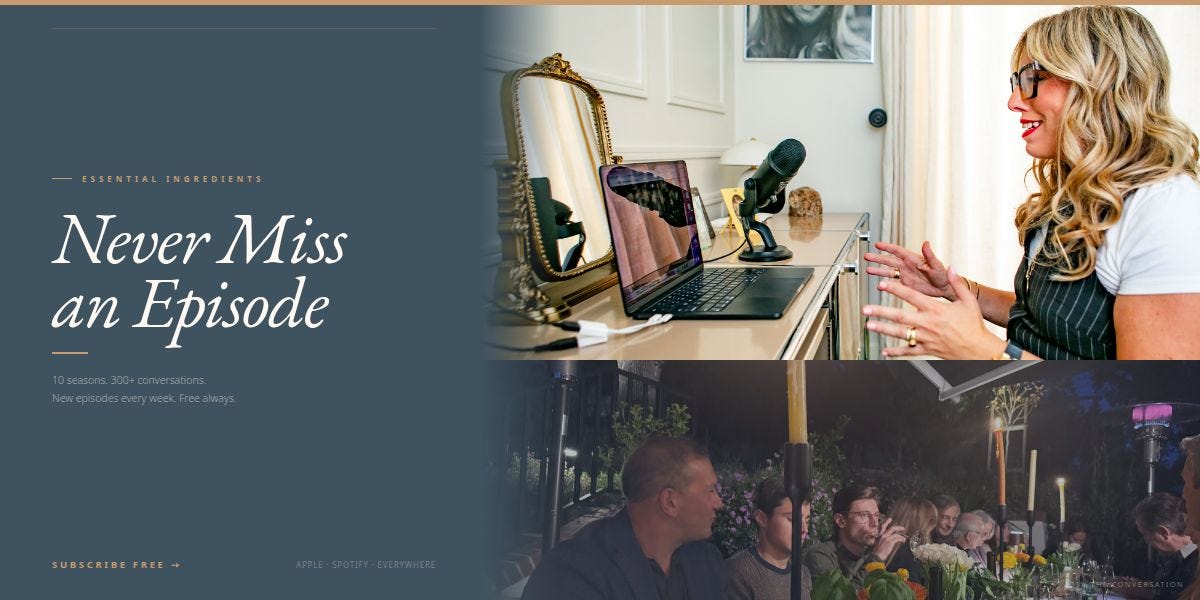
105: Is Your Anti-Aging Routine Aging You? Inside the Luxury Skincare Machine

“We had to start our own lab because the standards I wanted I couldn’t find in any product, aging can be a joy, empowering, and beautiful.” —Daniella Inbar
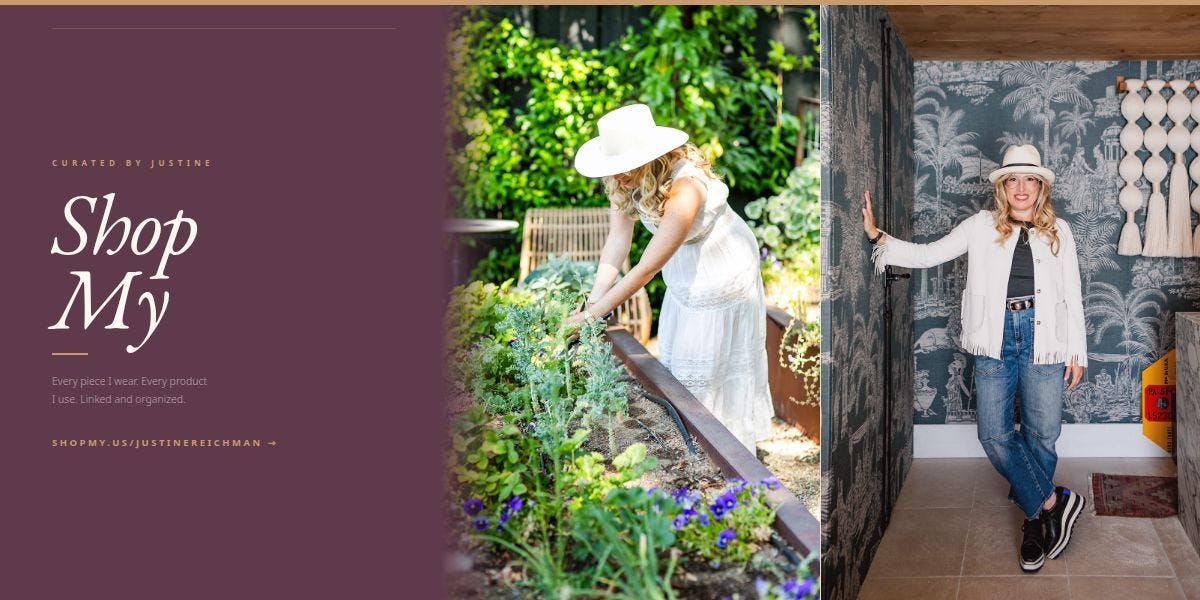
The stuff I actually use when I'm trying to eat with intention — without the overwhelm.
Once Again Organic Peanut Butter (~$10) — single ingredient, just organic peanuts — no palm oil, sweeteners, preservatives, or anything artificial. This is exactly the kind of brand the article is defending: small, clean, doing it right.
CapaBunga Farmer’s Market Tote (~$35) — heavy-duty canvas with seven pockets, a carabiner for keys, and an adjustable loop on the outside to hold fresh market flowers. The physical act of showing up at a farmers market is part of becoming a participant, not just a consumer.
ZeroWater Pitcher (~$30) — fits the “what’s actually in this” lens the article opens up. A simple, affordable way to take your water as seriously as your food.
Brightland Everyday Olive Oil (~$20) — cold-pressed California EVOO sourced from small family farms, now available at Whole Foods at an accessible everyday price point. The brand story is worth knowing — traceable, honest, no mystery supply chain.
Know someone who needs to read this?
The best conversations start when the right people are in them. If this issue made you think — or if you know someone wrestling with the same questions about trust, wellness, and showing up fully — share it with them.
The more thoughtful voices at this table, the richer we all become.
